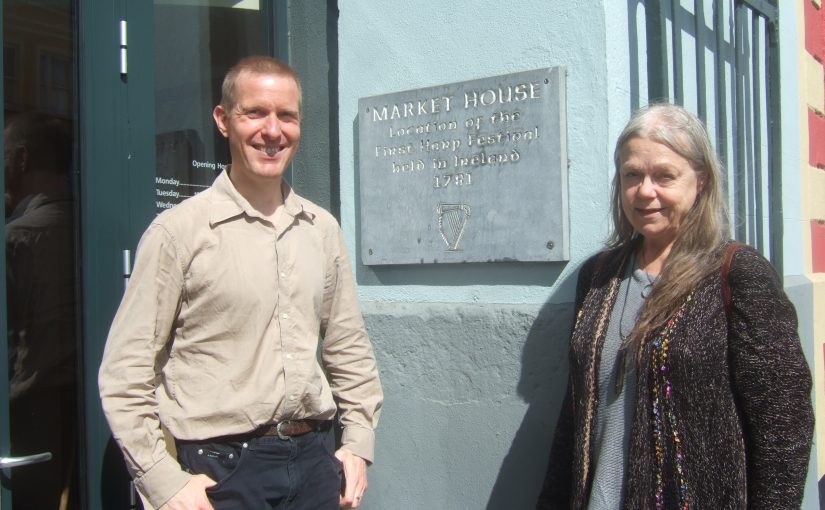
Kate Martin was a traditional Irish harper in the 18th century. We have only a few references to her, and they are all retrospective. Some of them imply or state that she was still alive at the beginning of our Long 19th Century study period, but I think this is not reliable information. This post is to discuss the information we have to see if we can say anything useful about Kate Martin from 1792 onwards.
Continue reading Kate MartinCategory: long 19th century
This is a project to try and find out about Irish harpers who were continuing to play in the inherited tradition from 1790 through to about 1910.
These people (mostly men) learned from teachers who themselves had learned from teachers and so on in a lineage of tradition back through the 18th century harpers. They played on floor-standing wire-strung traditional Irish harps, using the traditional Irish harp playing techniques and style.

Dominic O’Donnell
Dominic O’Donnell was a traditional Irish harper who was alive and active towards the end of the 18th century and apparently into the beginning of the 19th century. We have very little information about him. This post is to gather together the different references to see if we can say anything useful about what he was doing during our Long 19th Century study period (1792 onwards).
Continue reading Dominic O’Donnell
Michael McCloskey
Michael McCloskey was a traditional harper in the first half of the 19th century, about 200 years ago. This post is to gather the records of his life, times and music.
Continue reading Michael McCloskey
Richard McCloskey
I have one single reference to a harper in Belfast called Richard McCloskey. I am not sure if he is real or not. This post is to discuss the reference. If in the future we discover any other references, we can add them as comments to this post.
Continue reading Richard McCloskey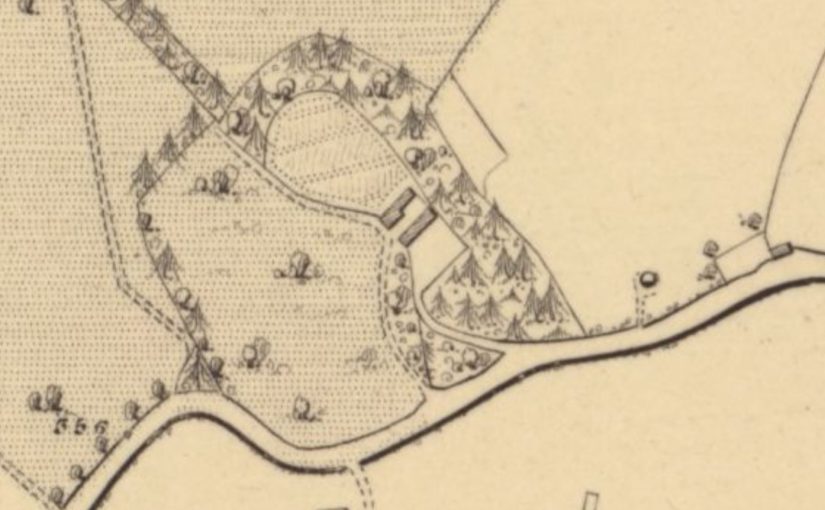
Mary Kellett of Cornashesk, patron of traditional harp music
I am not usually paying much attention to the patrons of the traditional harpers, because it is enough work for me to simply track down the harpers themselves, who they were and what they were doing.
However I want to try and pin down Mary Kellett of Cornashesk, because she is mentioned in an anecdote from Patrick Byrne in the early 19th century, and we need to date the anecdote, so as to fit it in to Patrick Byrne’s life story.
Continue reading Mary Kellett of Cornashesk, patron of traditional harp music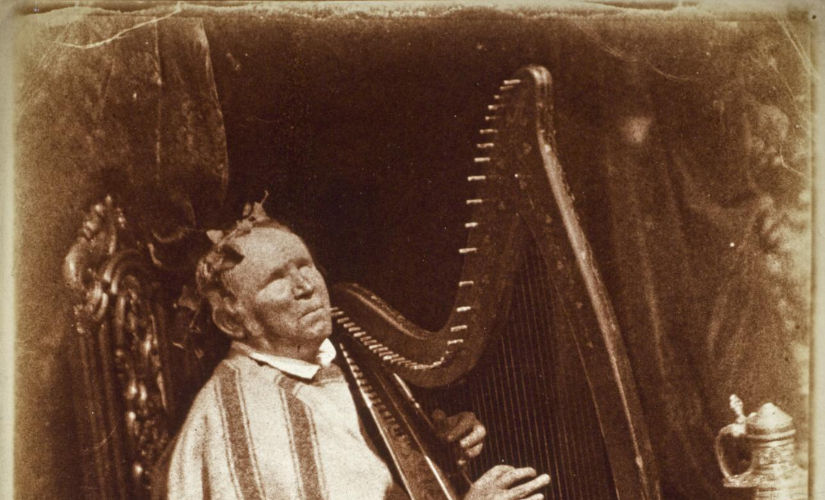
Patrick Byrne part 4: 1841-4
In Part 1, I wrote about Patrick Byrne’s early years and education, down to his discharge from harp school in 1822. Then in Part 2, we looked at his early career, working for patrons in Ireland and England from 1822 to 1837. Part 3 covered his first visit to Scotland over the winter of 1837-8, and his tour of Ireland in 1839-40.
By the beginning of 1841, Patrick Byrne was in his mid 40s. His regular job at the Royal Hotel in Leamington Spa had given him access to high-ranking aristocratic patrons in England and Scotland, and he spent time visiting them at their houses around Warwickshire and near Edinburgh, as well as maintaining a circuit of patrons in Ireland. He seems to have deliberately built these networks of patronage, so that by the beginning of 1841 he got as high as he ever could, by performing for Queen Victoria at Windsor Castle.
Continue reading Patrick Byrne part 4: 1841-4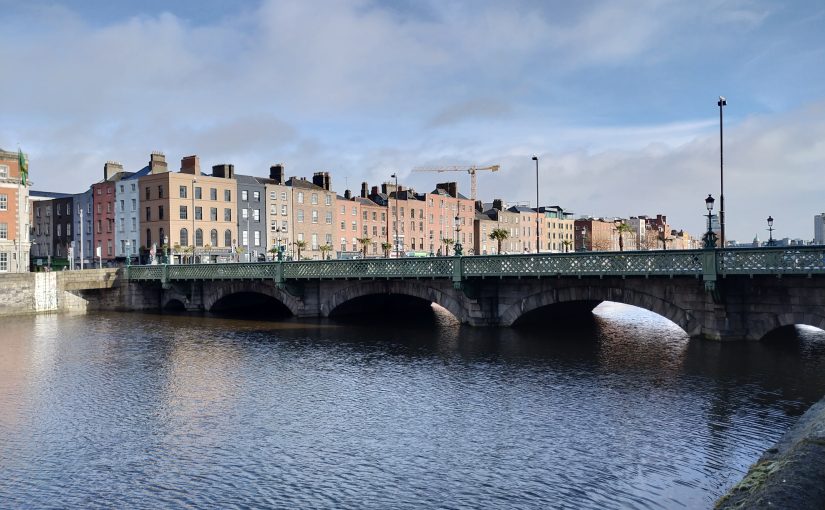
Brady
Brady was a traditional Irish harper, but we know almost nothing about him. We only have records about him for one single day, mentioning him performing at two events, a parade and a tea party, on Wednesday 17th March 1841. This post is to discuss the reports of these events, to try and say something useful about him.
Continue reading Brady
John Wallace
John Wallace was learning to play the traditional Irish wire-strung harp in Belfast in 1810. We know basically nothing about him apart from that. This post is just to put down a marker for him. If we find any more information we can add it to the bottom.
Continue reading John Wallace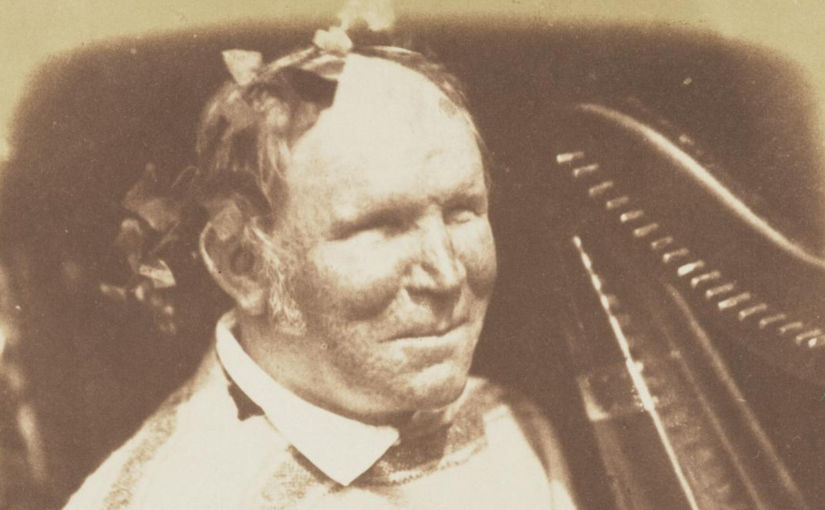
Patrick Byrne part 3: 1837-1840
In Part 1, I wrote about Patrick Byrne’s early years and education. Then in Part 2, we looked at his early career, working for patrons in Ireland and England.
By the summer of 1837, Patrick Byrne was approximately 40 years old; he had made a lot of contacts amongst the English and Irish aristocracy, and he had proved himself by his regular job at the rather high-class Royal Hotel in Leamington Spa, Warwickshire, England.
We will continue the story on Wednesday 18th October 1837, when Patrick Byrne left Leamington Spa and began the journey North to Edinburgh.
Continue reading Patrick Byrne part 3: 1837-1840
Sally Moore
Sally Moore was a blind traditional Irish harper in Belfast in the mid 19th century. We don’t have very much information about her. This post is to collate the references and to try and say something useful about her. Hopefully in time more references will be found.
Continue reading Sally Moore