The Yellow Horse is a curious little song air. We have three independent transcription notations of variants or versions of this tune, under two different titles, in Edward Bunting’s transcription notebooks from the 1790s. They are all three a bit tricky to understand.
Continue reading An gearrán buidhenews
An londubh agus an chéirseach
The Blackbird and the Thrush is a very beautiful old tune. We have what may be a live transcription of a traditional harp performance, noted down by Edward Bunting in the 1790s. However, as usual with Bunting’s work, all is not straightforward, and he has messed us around a lot.
Continue reading An londubh agus an chéirseach
Doctor Hart
Edward Bunting made a two-page live transcription notation of a traditional Irish harp performance of the Carolan tune, Doctor Hart. I think this was done in 1792 from Hugh Higgins. You can see the manuscript pages online at Queens University Belfast Special Collections MS4.29 pages 90 and 91.
Continue reading Doctor Hart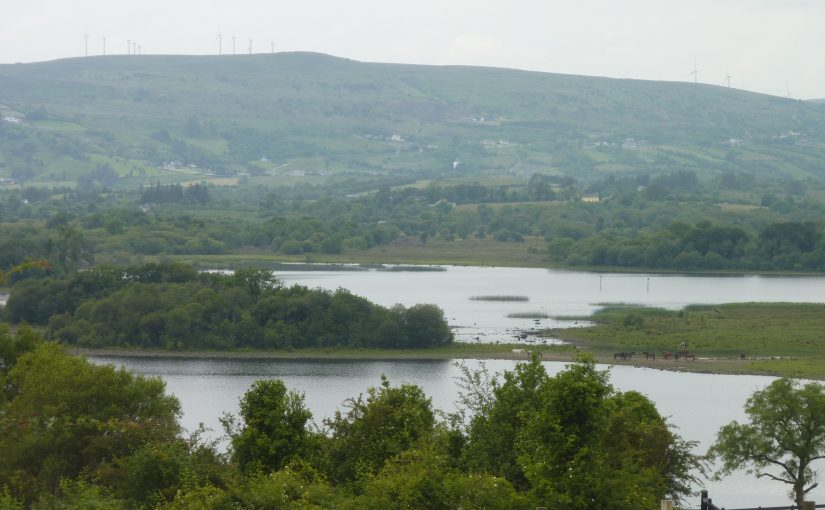
Jeremy Duigenan in Drumshanbo and Murhaun
Passing by Drumshanbo recently, I took a moment to stop and look for traces of Jerome Duignan.
Continue reading Jeremy Duigenan in Drumshanbo and Murhaun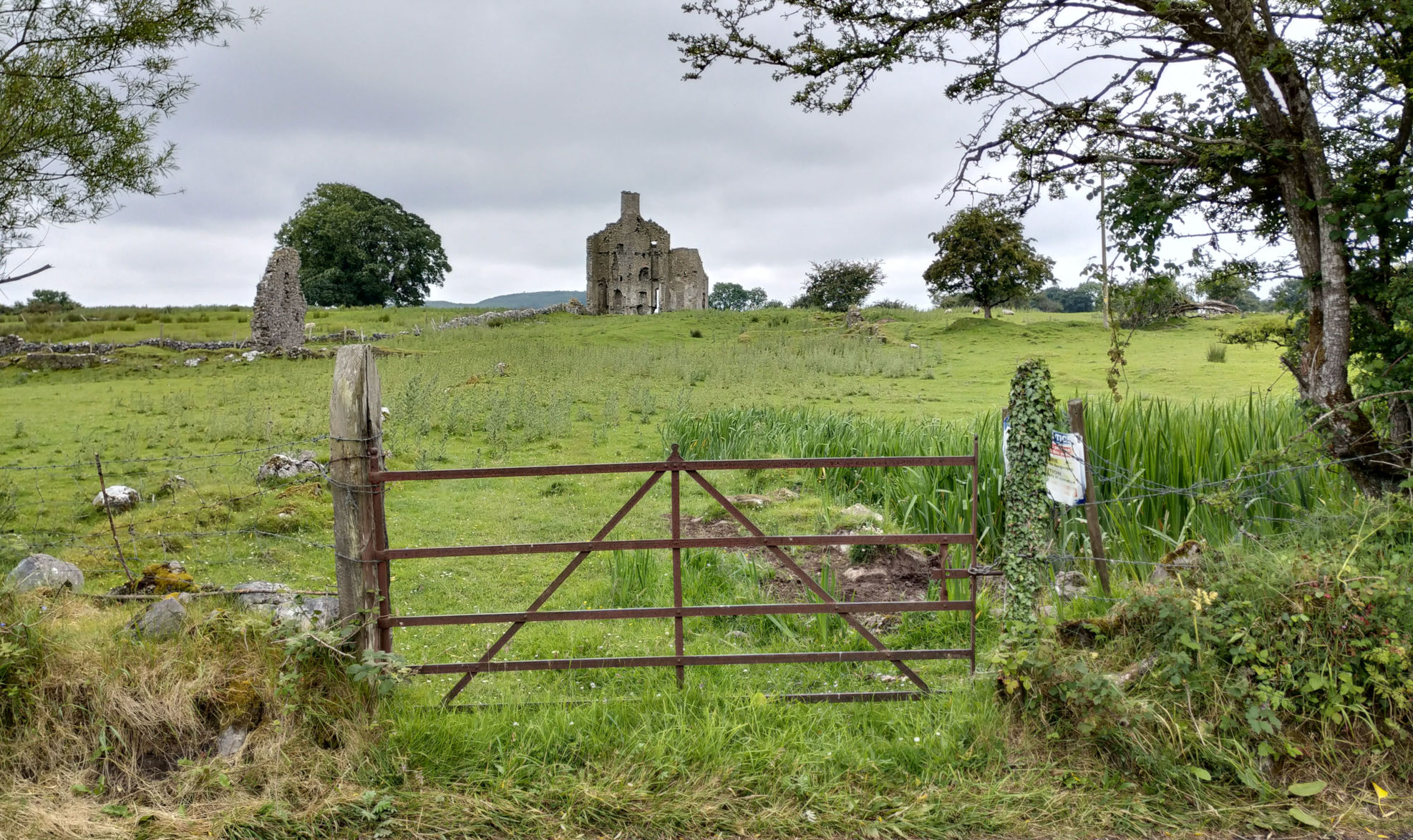
Planxty Irwin
On the same manuscript page as The Beggar, Bunting also wrote what looks like a live transcription notation of the tune of Planxty Irwin (DOSC 59). You can see both of these tunes on Queen’s University Belfast, Special Collections, MS4.29 page 7.
Continue reading Planxty Irwin
Sylvia Crawford’s new book
I am very proud to be able to publish Sylvia Crawford’s new book, An Introduction to Old Irish Harp Playing Techniques.
Continue reading Sylvia Crawford’s new book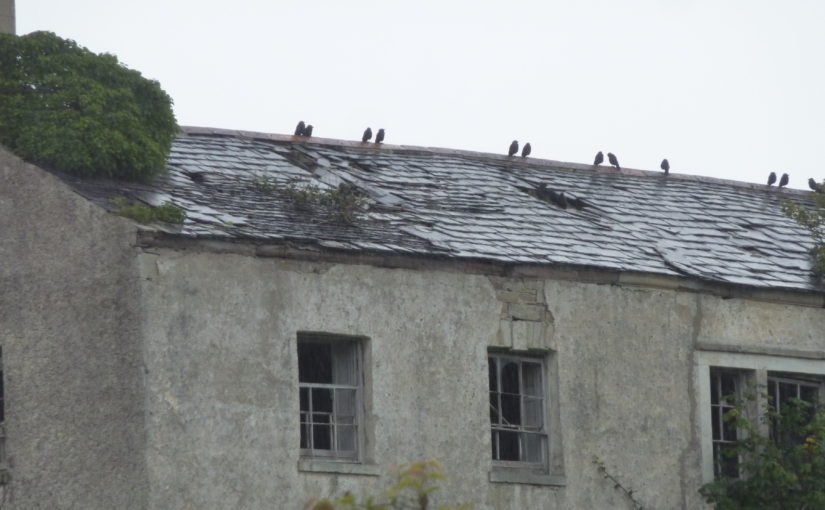
Colonel Irwin
In Queen’s University Belfast, Special Collections, MS4.29 page 20, there is a line of dots which I have always marked as “unidentified tune”. I just could not work out what is going on here.
However Sylvia Crawford has analysed the mode of the dots and suggests that they represent Bunting’s first attempt to transcribe a harp version of the tune of DOSC 60 Colonel Irwin.
Continue reading Colonel Irwin
Edward Bunting as Collector
This is the video of the online talk I gave for Cruit Éireann last month, summarising some of my work on the Old Irish Harp Transcriptions Project. I hope you find it interesting and useful!
Continue reading Edward Bunting as Collector
Bacach buí na leimne
Edward Bunting wrote a notation into one of his little transcription pamphlets in the 1790s, showing two tunes (Queen’s University Belfast, Special Collections, MS4.29 page 7). I think these may be live harp transcription notations.
Just glancing at the notations you can’t see them as two different tunes; there are three sections of notation with two sets of double-bar-lines dividing them up. But we can recognise them as two different tunes; the first two sections of notation are the tune of “The Beggar”, and the third section of notation is the tune of “Plangsty Irwin”.
Continue reading Bacach buí na leimne
Casadh an tSúgáin
Edward Bunting made what looks to me like a live transcription notation of the tune of Casadh an tSúgáin, probably in Summer 1792. He writes 50 years later that he took this down from the harper Rose Mooney, but I don’t know if we can rely on his memory. Anyway, the transcription notation is very interesting and presents a very lovely version of the tune with a lot of what I assume is old Irish harp idiom and style in it.
Continue reading Casadh an tSúgáin